5 Things I Wish I'd Known Before Moving from Pennsylvania to Florida
By Darlene Cutter, REALTOR® | Continental Country Club, Wildwood, FL
Fifteen years ago, I packed up my Pennsylvania life and drove south to Wildwood, Florida. I had done my research. I thought I was ready. And in most of the ways that mattered, I was — but there were still a handful of things I wish someone had sat me down and told me before I made the move.
I've since helped hundreds of buyers from Pennsylvania, New Jersey, and New York make the same journey. The questions I hear at the kitchen table today are the same ones I had back then. So here, in the spirit of the honest conversation I wish I'd had, are the five things I wish I'd known.
1. The Tax Savings Are Real — and Bigger Than You Think
Everyone moving from Pennsylvania to Florida has heard about the no-income-tax thing. But most people don't sit down and actually run the numbers until after they've moved. Let me do it for you now.
Pennsylvania charges a flat 3.07% state income tax — and if you live in Philadelphia or another municipality, local earned income taxes can add another 1% to 3.75% on top of that. Florida charges zero. On a $75,000 annual retirement income, that's roughly $2,300 a year back in your pocket from state income tax alone before you factor in local taxes.
Property taxes tell an even clearer story. Pennsylvania's effective property tax rate runs about 1.26% to 1.5% of assessed value. Florida's statewide average is approximately 0.86%. On a $250,000 home, that gap saves you roughly $1,000 to $1,600 per year. Florida's Homestead Exemption — available to full-time residents — takes another $25,000 off your assessed value, reducing your tax bill further.
Add it up and the combined tax advantage of moving from Pennsylvania to Florida can easily reach $4,000 to $6,000 per year for a typical retiree household. Over a decade, that's $40,000 to $60,000 staying in your retirement account instead of going to the state.
What I wish I'd known: Establish your Florida domicile properly from day one — get your Florida driver's license, register your vehicle, and file a Declaration of Domicile with the county clerk. Pennsylvania can attempt to tax you if you maintain strong ties to the state. Cut those ties cleanly and you keep every dollar of the savings.
2. "Near The Villages" Is Not the Same as "In The Villages" — and That's a Good Thing
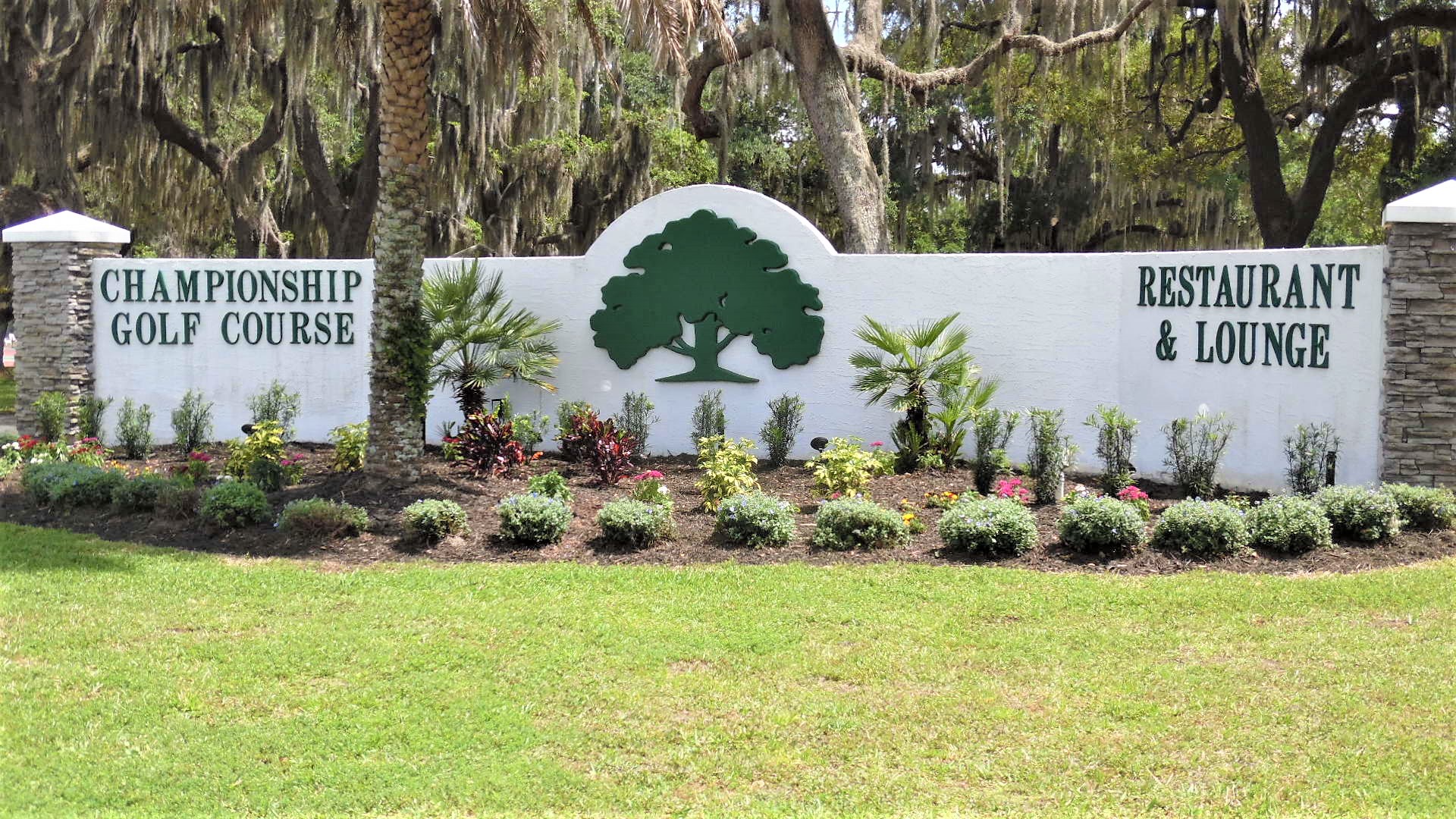
When I tell people I live in Wildwood, Florida, the first thing they say is "Oh, near The Villages?" Yes — about five minutes away. And that proximity is one of the best things about life at Continental Country Club.
But here's what I wish someone had explained to me earlier: buying in The Villages comes with something called bond debt — an additional assessment tacked onto your property taxes to pay for the infrastructure of your neighborhood. Depending on when and where you buy, that bond can add hundreds of dollars per month to your cost of ownership, and it can take decades to pay off.
Continental Country Club has no bond debt. Your HOA fee — approximately $361 per month — covers your gated entrance with 24-hour security, your 18-hole championship golf course (the very first course ever designed by Ron Garl, opened in 1972), your Olympic-size pool, your on-site restaurant, pickleball courts, fitness center, arts and crafts buildings, and more. You own your home. You own your land. And you collectively own the club itself.
Meanwhile, Brownwood Paddock Square, Lake Sumter Landing, and Spanish Springs Town Square — The Villages' famous entertainment districts with free nightly music and entertainment — are a short drive away whenever you want them. You get the lifestyle without the price tag or the debt.
What I wish I'd known: Visit both communities before deciding. Spend a morning at Continental Country Club, drive over to The Villages for dinner, and feel the difference. They're complementary, not competing — and living near The Villages rather than in it is a financial decision that pays dividends for years.
3. Central Florida's Interior Is Not the Florida You're Afraid Of
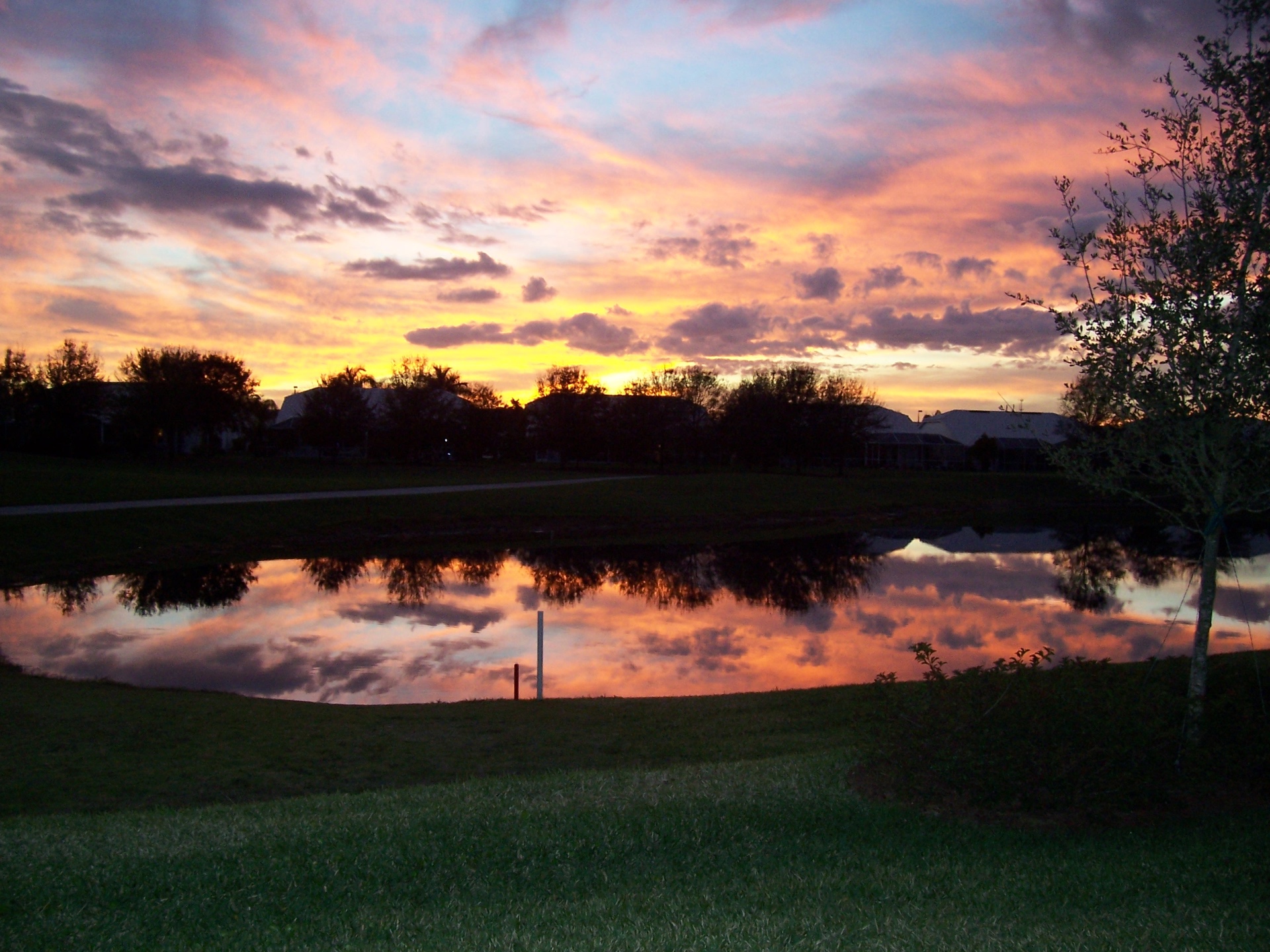
When Pennsylvania buyers hear "Florida," many immediately think of two things: hurricanes and heat. I understand. I thought the same things. Here's what fifteen years of living here has taught me.
Wildwood and Sumter County sit in Central Florida's interior — not on the coast. Coastal Florida takes the brunt of hurricane activity. Interior Central Florida, protected by geography and distance from the Gulf and Atlantic, experiences dramatically less exposure. We do get tropical storms and heavy rain — this is still Florida — but the catastrophic hurricane risk that drives insurance premiums on the coasts is a different conversation than what inland Sumter County residents face.
Speaking of insurance: yes, Florida homeowner's insurance has been a headline topic. But the picture is improving. Florida insurance premiums were dropping 8–20% in 2026 depending on carrier, as the state's insurance market stabilization efforts have taken hold. And for an interior community like Continental Country Club, rates have historically been more reasonable than coastal equivalents.
As for the heat — it is real, and it is a different kind of heat than a Pennsylvania summer. But here's the secret Floridians don't always share with new arrivals: we live air-conditioned lives from June through September, we golf and swim in the morning, we sit on screened lanais in the evening, and by October we're outside constantly while Pennsylvania is pulling out the winter coats. The trade is worth it.
What I wish I'd known: Visit in July, not January. Everyone who comes in January falls in love — the weather is perfect. But you need to experience a Florida summer before you commit, so you know exactly what you're choosing.
4. The Distance From Family Feels Different Than You Expect
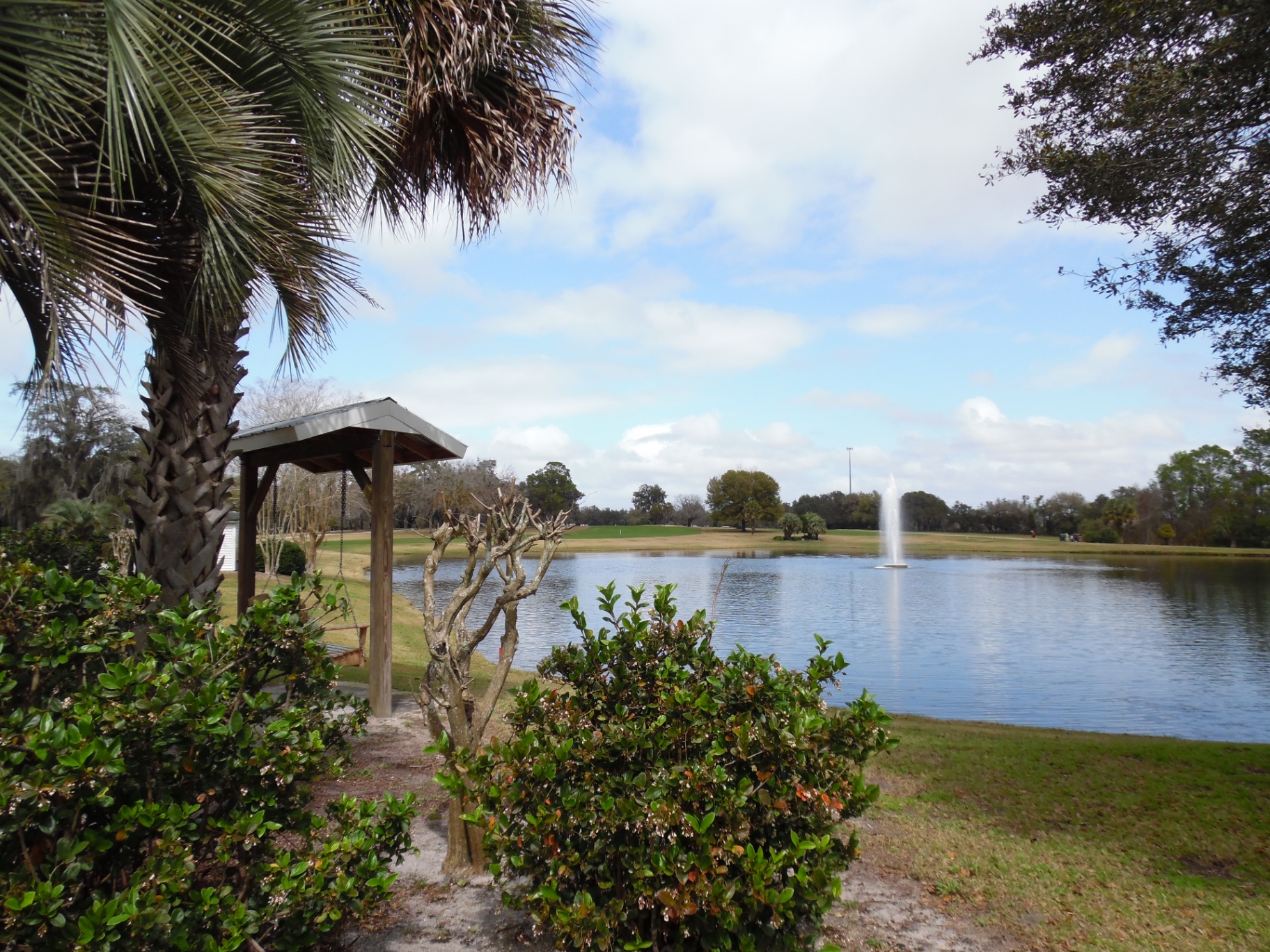
This is the one that stops more Pennsylvania buyers in their tracks than any tax calculation or hurricane statistic. "But what about my kids? My grandchildren? My sister in Allentown?"
I won't pretend there isn't an adjustment. There is. But here's what I've watched happen with buyer after buyer over fifteen years: the distance changes the relationship in ways that often surprise people — sometimes for the better.
Orlando International Airport is roughly an hour from Continental Country Club. From MCO, you can be in Philadelphia in two hours. In Pittsburgh in two hours. In New York in two and a half. The flights are frequent and often inexpensive, especially if you book ahead.
What I see happen in practice is this: instead of the quick Sunday afternoon visit that ends with everyone a little stressed and no one fully present, families start doing planned trips. Grandchildren visit for a week in the summer and swim in the pool every day. Adult children come for long weekends in February and remember why their parents moved. The visits become events rather than obligations — and they're often richer for it.
And for the moments when you genuinely need to be there — the emergencies, the milestones, the unexpected — you are never more than a direct flight away.
What I wish I'd known: Have this conversation explicitly with your family before you move, not after. Talk about visit expectations, holiday plans, and what you'll do if someone needs you. Getting aligned ahead of time prevents the misunderstandings that make the distance feel bigger than it is.
5. The Community Finds You Faster Than You Expect
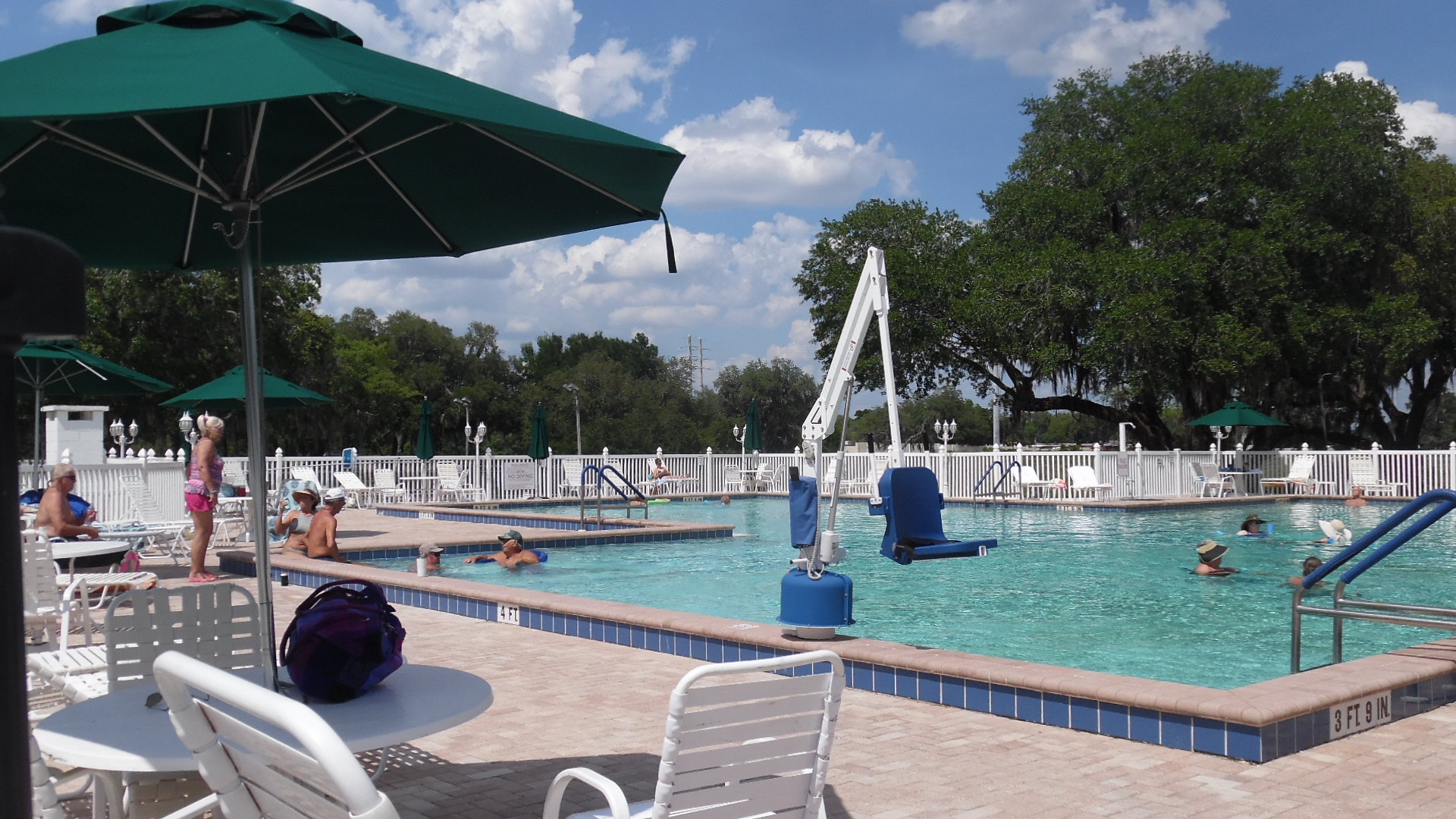
The fear I hear most often from buyers who are moving alone, or who have lived in the same Pennsylvania town for thirty years, is this: "How do I start over socially at this stage of my life?"
I had this fear myself. I was leaving neighbors I'd known for decades, a church I loved, a life that was deeply rooted. I didn't know how long it would take to build something comparable in Florida.
The answer, in a community like Continental Country Club, is: faster than you think.
Within a week of moving in, I had been invited to join a card club, been waved over by neighbors at the pool, and been introduced to the Wednesday night social at Paulie's Oaks on 44 — the on-site restaurant that doubles as the community's social heart. By the end of the first month, I had more social invitations than I could accept.
This is not an accident. It is the design of a community built specifically for active adults who are starting a new chapter. The dozens of resident-run clubs — golf associations, the Continental Singers choral group, the Veterans Club, line dancing, ceramics, woodworking, bocce ball leagues — exist precisely to give newcomers a structured, easy on-ramp into community life. You don't have to be outgoing. You just have to show up.
What I wish I'd known: Come with one specific thing you want to try — golf, pickleball, art glass, the bowling league, whatever it is. Having one concrete activity to walk toward makes the first month infinitely easier. The community will meet you more than halfway.
Ready to See Continental Country Club for Yourself?
I've made this move. I've guided hundreds of others through it. And I've never once had a buyer call me a year later and say they wished they'd stayed in Pennsylvania.
If you're thinking about relocating from Pennsylvania — or from New York or New Jersey — I'd love to talk through your specific situation, answer your questions honestly, and if the timing is right, show you around my neighborhood.
Email me at darlenecutter@darlenecutter.com or call 814-720-5356. I'm available seven days a week.
Darlene Cutter is a REALTOR® and 15-year Continental Country Club resident with 30+ years of real estate experience in Sumter County, Florida. She is a Realtor of the Year and Multimillion-Dollar Producer licensed under Four Star Home Brokers Inc. (License #SL3105424).
Have questions about relocating from Pennsylvania to Florida? Contact Darlene or search available homes in Continental Country Club and the surrounding area.